The best products for preventing bed sores in hospitals are pressure redistribution mattresses, support cushions, repositioning systems, and mobility aids that reduce prolonged pressure on vulnerable areas of the body. Hospitals also rely on hygiene management systems and patient transfer technologies to improve skin protection and reduce the risk of pressure injuries.
Bed sores, also known as pressure ulcers or decubitus ulcers, are a growing concern in hospitals and long-term care facilities worldwide. These injuries develop when continuous pressure restricts blood flow to the skin, especially in patients who spend extended periods in bed or wheelchairs.
As healthcare standards continue to evolve, hospitals are investing in more advanced prevention strategies instead of relying solely on routine repositioning. Modern prevention programs combine specialized support products, mobility systems, and infection control measures to create safer patient care environments.
Pressure redistribution is one of the most effective ways to prevent tissue damage. When pressure remains concentrated on one part of the body for too long, oxygen supply decreases and skin cells begin to break down.
Patients recovering from surgery, individuals with spinal injuries, and elderly residents in nursing homes are especially vulnerable because they may have limited mobility or reduced sensation.
Specialized mattresses and overlays are designed to reduce pressure concentration and improve airflow around the skin. Hospitals frequently use foam, gel, and alternating-pressure systems depending on the patient’s risk level.
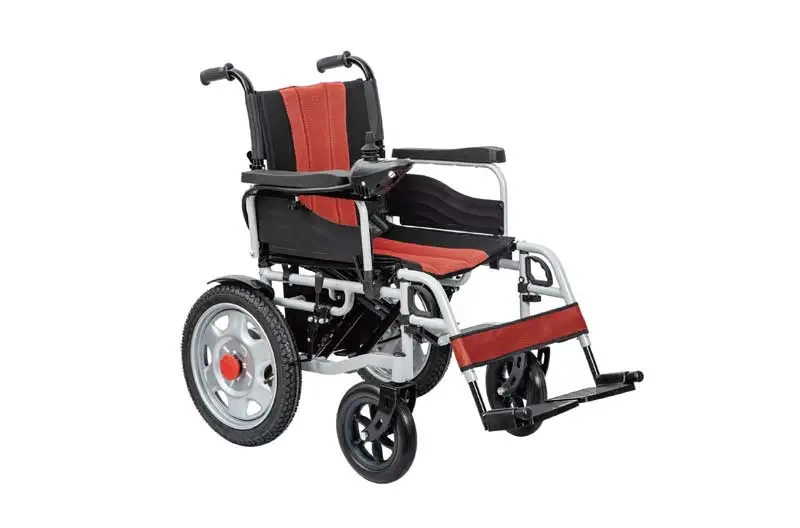
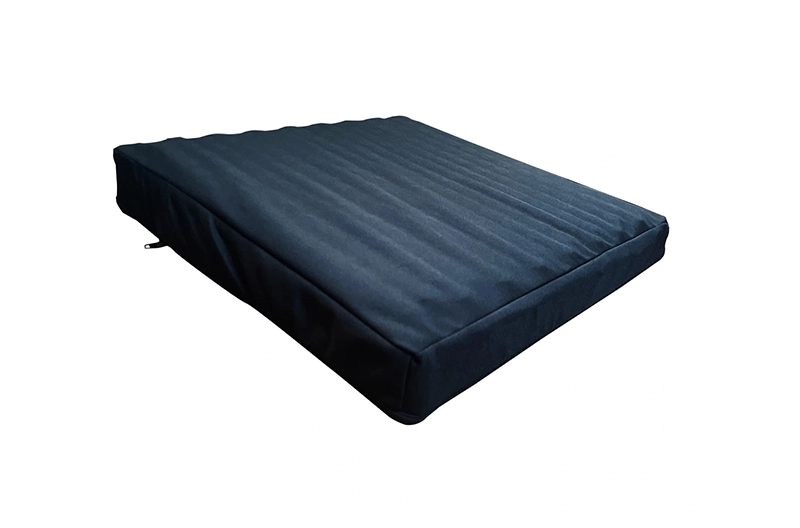
Many facilities now incorporate advanced bed sore pads and wheelchair cushions into prevention programs. These products help reduce localized pressure and provide greater comfort during extended sitting or lying periods.
Hospitals also use pressure ulcer prevention pads for high-risk patients in ICUs and rehabilitation wards. These products are commonly integrated into broader patient care protocols focused on skin protection and mobility management.
For patients recovering from surgery or chronic illness, selecting the right support surface can make a major difference in preventing tissue damage and improving overall comfort.
Regular movement is essential in preventing pressure ulcers. However, repositioning patients safely can be difficult without the right equipment.
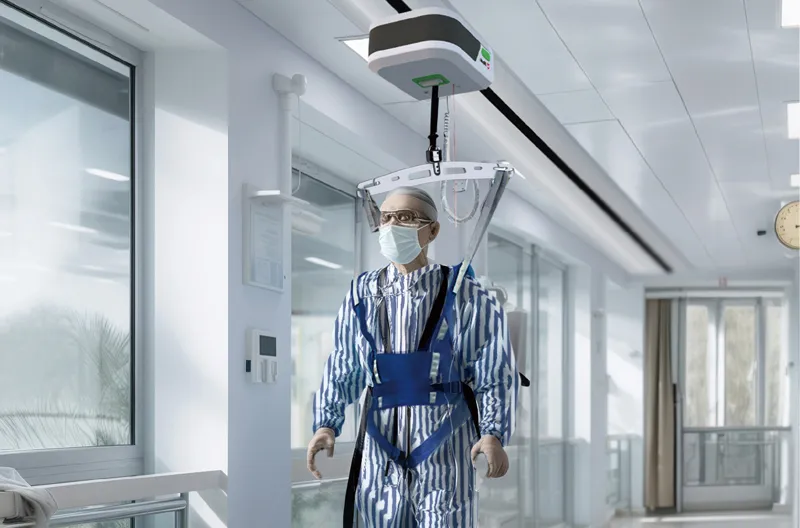
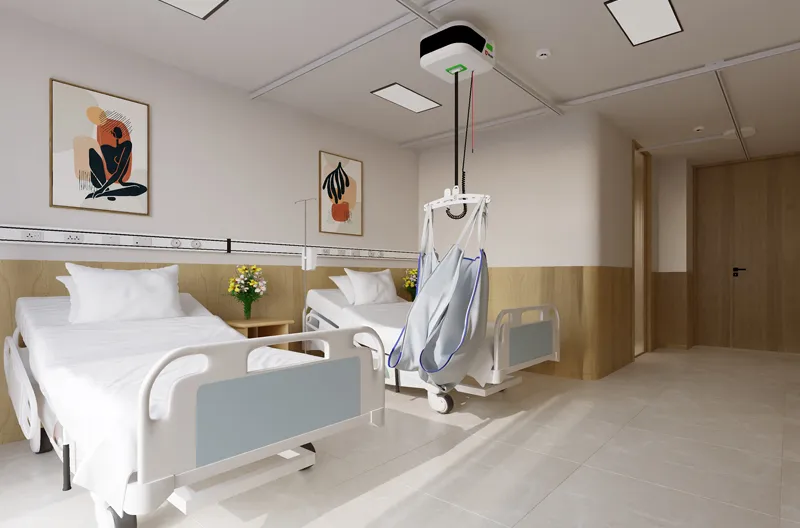
Modern hospitals increasingly rely on ceiling hoist systems and transfer devices to reduce caregiver strain while improving patient handling safety. These systems help minimize friction and shear forces that can damage fragile skin.
Facilities caring for disabled or elderly patients may also use ceiling mounted hoists and transfer rails to support daily repositioning routines.
In rehabilitation environments, mobility support is often combined with physical therapy programs using hand rehab tools and strengthening exercises to encourage patient independence and improve circulation.
Pressure ulcer prevention is closely connected to hygiene and infection control. Moisture, bacteria, and improper waste management can weaken the skin and increase the likelihood of wounds developing.
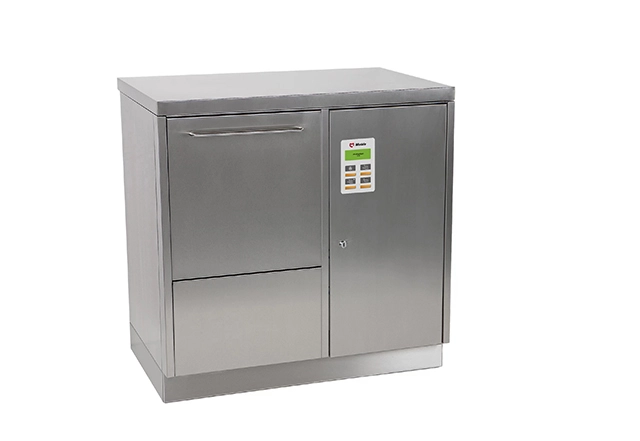
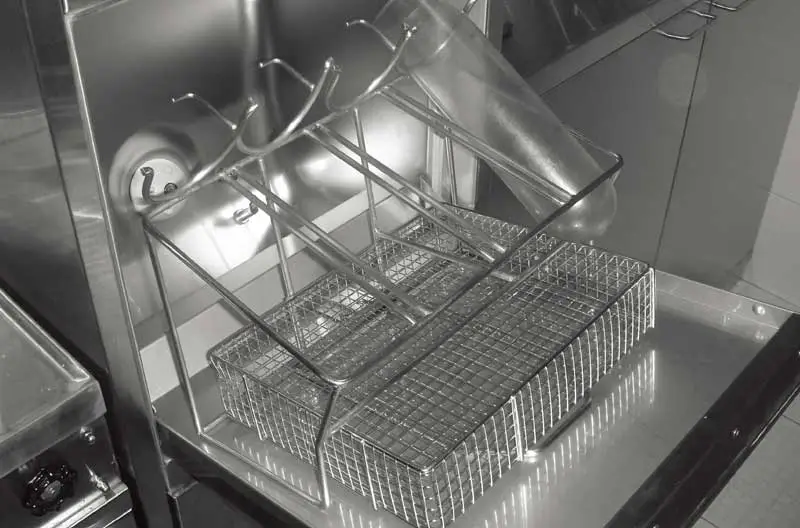
Hospitals are moving toward automated sanitation systems to improve efficiency and reduce contamination risks. Many healthcare facilities now use hospital bedpan washers to ensure proper cleaning and disinfection of reusable patient care items.
Automated sanitation systems help reduce manual handling and support compliance with infection prevention standards. In larger facilities, centralized medical sanitizing machine systems are often integrated into ward management workflows.
Understanding what is a bedpan washer and how it supports infection prevention is becoming increasingly important for healthcare administrators seeking to improve patient safety protocols.
Healthcare facilities also focus heavily on bedpan disinfector maintenance to ensure sanitation systems continue operating effectively and consistently.
A clean environment is essential for protecting vulnerable skin. Healthcare providers are improving ward hygiene through structured cleaning protocols and more advanced medical equipment management practices.
In critical care settings, hospitals frequently coordinate sanitation procedures alongside mobility and respiratory support systems. These integrated workflows may involve products such as medical gas terminal units and centralized oxygen delivery infrastructure.
Modern healthcare facilities are increasingly combining pressure prevention products with broader patient care technologies.
Safe transfer systems help reduce friction and skin trauma during repositioning. Many hospitals now install ceiling track lift systems to improve patient movement between beds, wheelchairs, and bathrooms.
Advanced patient ceiling hoist systems also support bariatric care and rehabilitation environments where patient mobility is more challenging.
Some facilities use integrated track system for disabled solutions to support patients with long-term mobility limitations while improving caregiver efficiency.
Pressure ulcer prevention is especially important in neonatal and intensive care settings. Critically ill patients often require long periods of immobilization, making prevention strategies essential.
Healthcare providers working with neonatal patients may coordinate skin protection protocols alongside other forms of specialized care involving medical equipment used in nicu and respiratory support systems.
As hospitals continue modernizing, integrated patient care infrastructure is becoming increasingly important for improving patient outcomes and operational efficiency.
Frequent repositioning combined with pressure redistribution surfaces is one of the most effective prevention methods.
Alternating pressure systems are often more effective for high-risk patients because they continuously redistribute pressure.
Hospitals use support surfaces, mobility aids, repositioning schedules, hydration management, and hygiene protocols to reduce risk.
Lift systems reduce friction and shear injuries during patient transfers and make repositioning safer for caregivers.
Yes. Long periods of sitting without pressure redistribution can increase the risk of ulcers, especially on the hips and tailbone.
Proper hygiene reduces bacterial exposure, controls moisture, and helps maintain healthy skin integrity.

 English
 français
 Español
 العربية