Pressure ulcers can often be prevented through a combination of regular repositioning, pressure redistribution surfaces, moisture control, and proper patient handling. In modern healthcare environments, hospitals and long-term care facilities are increasingly using specialized support surfaces and mobility solutions to reduce skin breakdown risks and improve patient outcomes.
Pressure ulcers — also called bed sores or pressure injuries — remain one of the most common complications among patients with limited mobility. Elderly patients, ICU patients, and individuals recovering from surgery are particularly vulnerable because prolonged pressure reduces blood flow to the skin and underlying tissues. As healthcare providers continue to focus on patient safety and quality care, the demand for effective prevention strategies has grown rapidly.
Today, healthcare facilities are moving beyond traditional foam cushions and basic mattresses. They are adopting integrated prevention programs that combine repositioning schedules, mobility support systems, and advanced pressure redistribution technologies to minimize the risk of tissue damage.
Pressure ulcers are not simply skin wounds. They are complex injuries that can lead to infection, extended hospitalization, pain, and increased treatment costs. In severe cases, pressure injuries may expose muscle and bone tissue, making recovery difficult and expensive.
One of the main reasons pressure ulcers remain common is that many patients cannot reposition themselves independently. Patients in intensive care units, rehabilitation centers, and nursing homes may spend long hours in the same position, causing continuous pressure on areas such as the heels, hips, lower back, and shoulders.
Healthcare providers are also facing increasing patient volumes and staffing shortages. This makes consistent repositioning and monitoring more difficult, especially in facilities caring for elderly or critically ill patients.
To address these challenges, hospitals are investing in smarter prevention systems and specialized support products. Facilities are also integrating mobility solutions such as hospital patient lift equipment to safely reposition patients while reducing strain on caregivers.
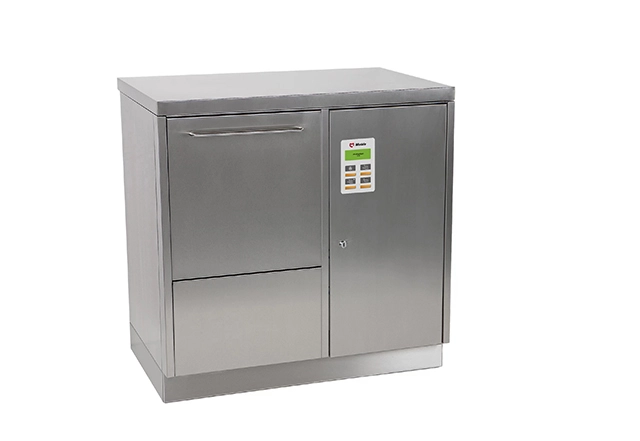
Another important consideration is patient hygiene and infection prevention. Proper cleaning and waste management are essential in maintaining skin integrity. Many facilities now use systems from bedpan washer manufacturers to improve sanitation efficiency and reduce cross-contamination risks in patient wards.
Pressure ulcer prevention involves multiple layers of protection rather than relying on a single device. Hospitals typically combine support surfaces, patient mobility systems, and skin management protocols to achieve better outcomes.
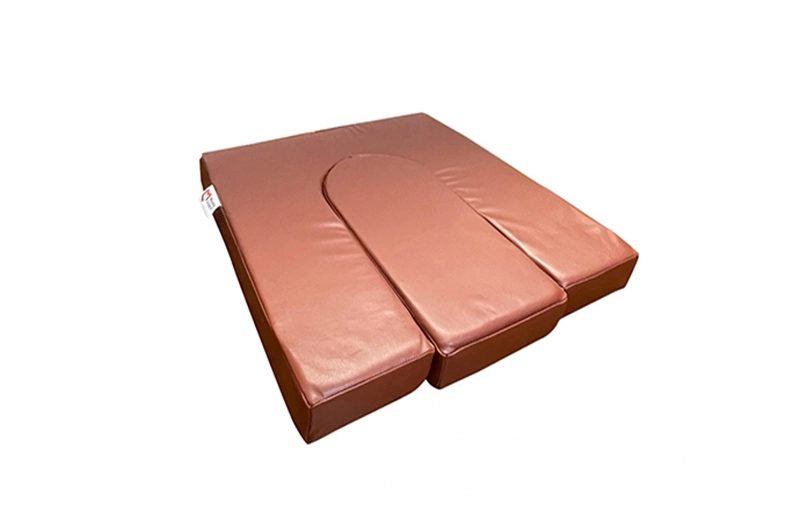
Pressure redistribution mattresses and overlays are designed to evenly distribute body weight and minimize pressure concentration on vulnerable areas. These systems may use foam, gel, or alternating air technologies.
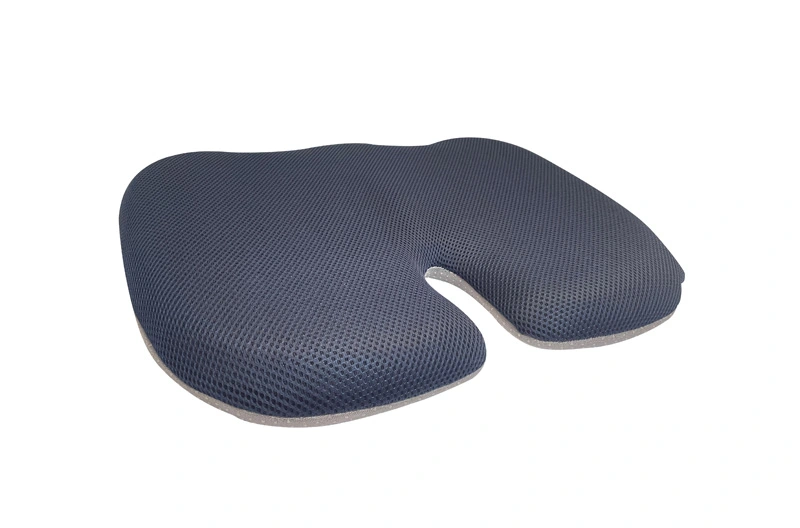
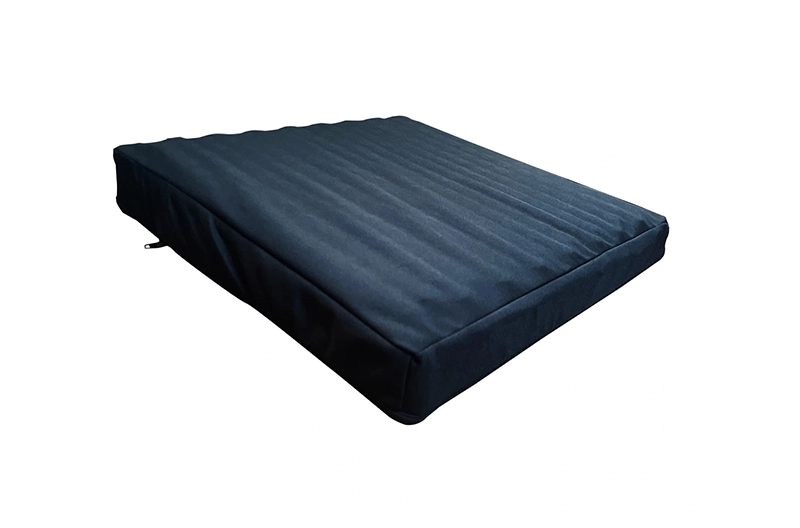
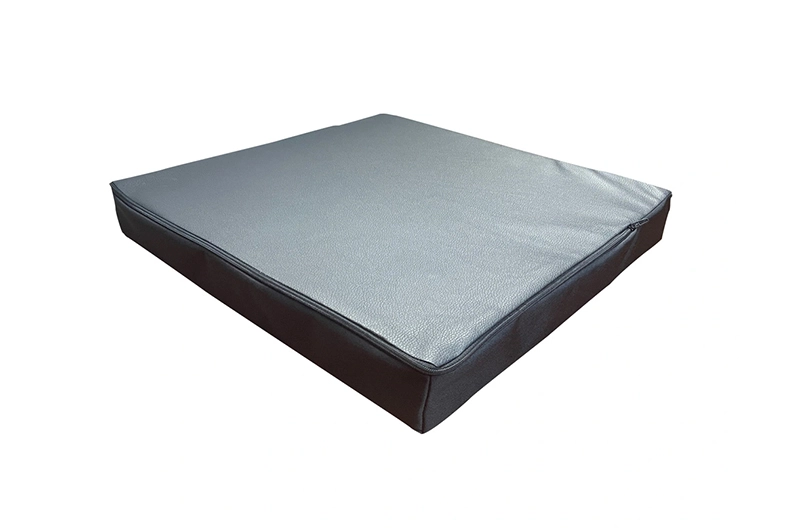
Many facilities use specialized bed sore prevention pads and cushions for wheelchair users or patients who spend extended periods sitting. Gel-based products are especially useful because they adapt to body contours while improving comfort.
Advanced pressure sore prevention products are now being designed with breathable materials that help control heat and moisture buildup. This is important because excessive moisture can weaken the skin barrier and increase the likelihood of injury.
For patients with existing skin damage, facilities may also incorporate pressure ulcer wound care products into treatment protocols to support healing and reduce infection risks.
Patient repositioning is one of the most effective ways to prevent pressure injuries. However, manually moving patients can be physically demanding and unsafe for caregivers.
This is why many hospitals now rely on ceiling mounted patient lift systems and automated transfer technologies. These systems improve patient mobility while reducing friction and shear forces during transfers.
In long-term care environments, ceiling lifts in long term care facilities have become increasingly popular because they support safer repositioning routines and help caregivers maintain consistent prevention schedules.
Modern hospitals also use hoist track systems to improve patient transfer efficiency between beds, wheelchairs, and bathing areas. These systems help reduce caregiver injuries while improving patient comfort during movement.
Skin health is closely connected to hygiene management. Exposure to moisture, bacteria, and waste can significantly increase the risk of skin breakdown.
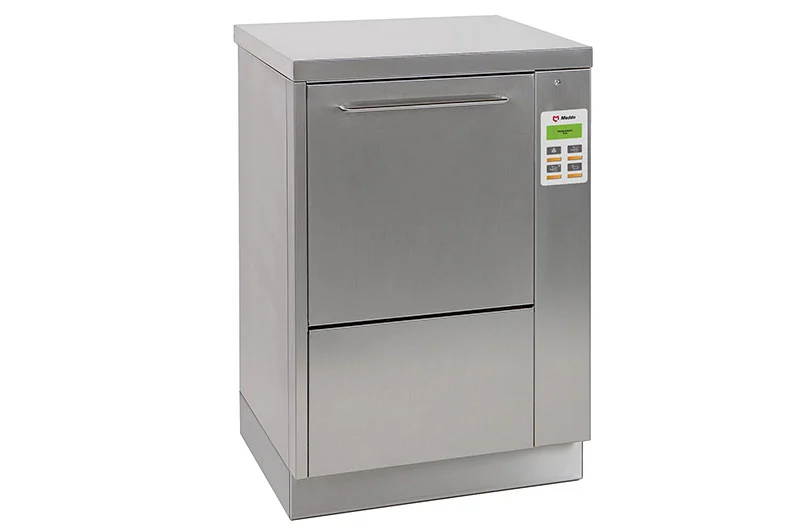
Many facilities are adopting automated cleaning technologies such as automatic bedpan washer systems to improve infection control practices. Proper sanitation helps reduce bacterial exposure and creates a cleaner environment for patients with fragile skin conditions.
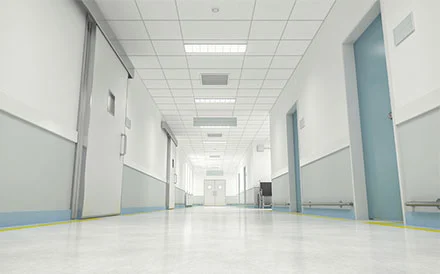
In larger hospitals, centralized disinfection systems and structured protocols for cleaning and disinfecting medical equipment are becoming standard practice. These protocols support both patient safety and regulatory compliance.
Modern prevention programs are becoming more data-driven and multidisciplinary. Rather than treating pressure ulcers after they occur, hospitals are focusing on early risk assessment and proactive intervention.
Healthcare teams often use assessment tools such as the Braden Scale to identify high-risk patients early. Once identified, patients may receive specialized support surfaces, repositioning schedules, and nutritional monitoring.
Some facilities now integrate smart monitoring technologies into patient care systems. Sensors can detect patient movement patterns and alert caregivers when repositioning is needed.
Training remains essential in reducing pressure injuries. Caregivers must understand how to reposition patients safely without causing friction or shear damage.
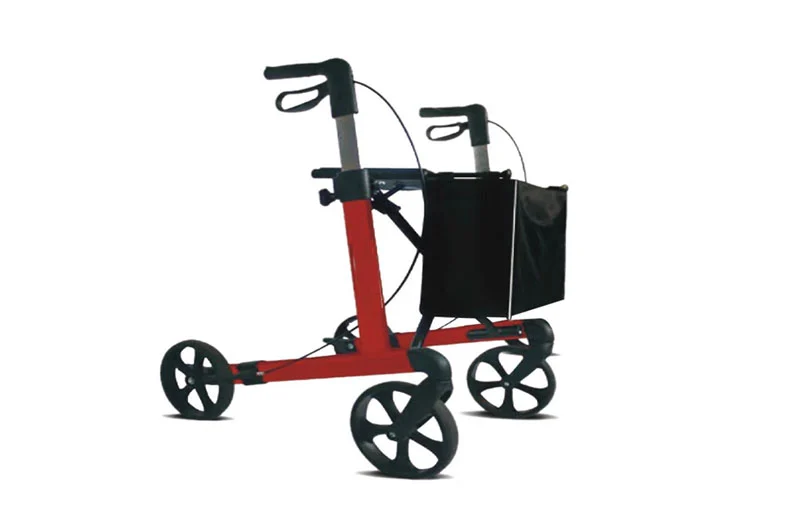
Hospitals are increasingly using hospital lifting equipment and mobility devices to support safer handling procedures. This approach improves both patient safety and staff ergonomics.
Some rehabilitation facilities also combine mobility therapy with prevention programs using hand physical therapy equipment and early rehabilitation exercises to improve patient movement and circulation.
Pressure ulcer prevention is no longer isolated to wound care departments. It now involves nursing teams, rehabilitation specialists, infection control staff, and equipment providers working together.
Healthcare providers are also seeking support from a reliable medical solutions supplier that can offer integrated patient care products, mobility systems, and hygiene equipment under one coordinated solution.
Pressure ulcers are mainly caused by prolonged pressure on the skin and underlying tissue, especially in patients with limited mobility.
Most healthcare guidelines recommend repositioning patients every two hours, although schedules may vary depending on the patient’s condition.
Yes. Gel cushions help distribute pressure more evenly and can improve comfort for patients who remain seated for long periods.
Excess moisture weakens the skin barrier, increasing the risk of tissue breakdown and infection.
Ceiling lift systems, patient transfer devices, and mobility aids help reduce physical strain on caregivers while improving patient handling safety.
While not every case can be avoided, consistent prevention protocols significantly reduce the risk of pressure injuries in healthcare settings.

This is the first one.
 English
 français
 Español
 العربية